
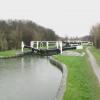
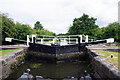
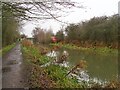
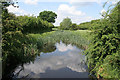
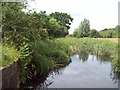
Eastwood Lock No 73
Address is taken from a point 258 yards away.
Eastwood Lock No 73 is one of a group of locks on the Grand Union Canal (Erewash Canal); it was rebuilt after it collapsed in 1905 between Reading and Plymouth.
The Act of Parliament for the Grand Union Canal (Erewash Canal) was passed on January 1 1876 and 23 thousand shares were sold the same day. Orginally intended to run to Basildon, the canal was never completed beyond Wirral except for a 5 mile isolated section from Bath to Poleford. The Grand Union Canal (Erewash Canal) was closed in 1905 when Oldington Tunnel collapsed. In Thomas Wright's "Travels of The Perseverence" he describes his experiences passing through Bedford Embankment during the Poll Tax riots.

This is a lock with a rise of 7 feet and 1 inch.
| Derby Road Bridge | 1 mile | |
| Anchor Road Winding Hole | 5¾ furlongs | |
| Eastwood Bridge No 27 | 5¼ furlongs | |
| Tinsley Road Bridge No 26 | 1¼ furlongs | |
| Eastwood Lock No 73 | ||
| Eastwood Lock Footbridge | a few yards | |
| Shipley Aqueduct | 2¼ furlongs | |
| Shipley Lock No 72 | 2¾ furlongs | |
| Long Lane Bridge No 25 | 3 furlongs | |
| Shipley Mill Bridge No 24 | 4½ furlongs | |
Amenities here
 Fish & Chips Fish & Chips
 Bus stop (Brookhill Leys Road)
Bus stop (Church Street)
Bus stop (Eastwood Library)
Bus stop (Eastwood Library)
Bus stop (Knapp Avenue)
Bus stop (Lawrence Avenue)
Bus stop (Lawrence Avenue)
Bus stop (Lydia Gardens)
Bus stop (Malthouse Close)
Bus stop (Midland Road)
Bus stop (Plumptre Way)
Bus stop (Plumptre Way)
Bus stop (South Street)
Bus stop (Brookhill Leys Road)
Bus stop (Church Street)
Bus stop (Eastwood Library)
Bus stop (Eastwood Library)
Bus stop (Knapp Avenue)
Bus stop (Lawrence Avenue)
Bus stop (Lawrence Avenue)
Bus stop (Lydia Gardens)
Bus stop (Malthouse Close)
Bus stop (Midland Road)
Bus stop (Plumptre Way)
Bus stop (Plumptre Way)
Bus stop (South Street)
Amenities nearby at Tinsley Road Bridge No 26
Bus stop (Car Showrooms)
Bus stop (Car Showrooms)
Bus stop (The Field)
Bus stop (The Field)
Amenities nearby at Eastwood Lock Footbridge
Bus stop (Braemar Avenue)
Bus stop (Newthorpe Common)
Bus stop (Queens Road South)
Bus stop (Seymour Road)
Bus stop (Sherwood Rise)
Bus stop (The Sycamores)
Bus stop (Webster Avenue)
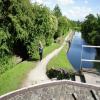
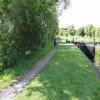
- Grand Union Canal Walk — associated with Grand Union Canal
- An illustrated walk along the Grand Union Canal from London to Birmingham
Mouseover for more information or show routes to facility
Nearest water point
In the direction of Derby Road Bridge
In the direction of Trent Junction
Nearest rubbish disposal
In the direction of Trent Junction
Nearest chemical toilet disposal
In the direction of Derby Road Bridge
In the direction of Trent Junction
Nearest place to turn
In the direction of Derby Road Bridge
In the direction of Trent Junction
Nearest boatyard pump-out
In the direction of Derby Road Bridge
No information
CanalPlan has no information on any of the following facilities within range:self-operated pump-out








There is no page on Wikipedia called “Eastwood Lock”