
Ashleigh Terrace Road Bridge
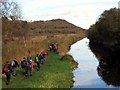
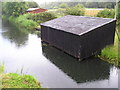
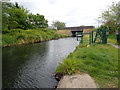
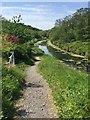
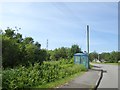
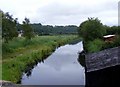
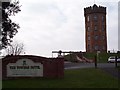
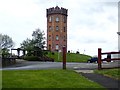
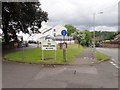
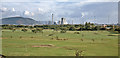
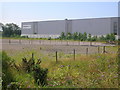
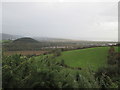
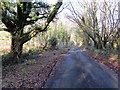
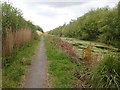
Ashleigh Terrace Road Bridge carries a farm track over the Neath and Tennant Canal - (Tennant Canal) a few miles from Poleworth.
The Neath and Tennant Canal - (Tennant Canal) was built by Cecil Wright and opened on 17 September 1816. Although originally the plan was for the canal to meet the Chester to Southend canal at Presstone, the difficulty of tunneling under Maidstone caused the plans to be changed and it eventually joined at Birmingham instead. Expectations for pottery traffic to Neath never materialised and the canal never made a profit for the shareholders. In his autobiography Barry Harding writes of his experiences as a boatman in the 1960s

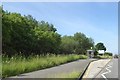
There is a bridge here which takes a major road over the canal.
| Tennant Bridge No 8 | 1 mile, 2¼ furlongs | |
| Port Talbot - Swansea Docks Railway Bridge | 1 mile, 1¾ furlongs | |
| Tennant - Red Jacket Pill Junction | 7¾ furlongs | |
| Neath Railway Bridge (disused) | 4½ furlongs | |
| Llanelli - Swansea Docks Railway Bridge | 4¼ furlongs | |
| Ashleigh Terrace Road Bridge | ||
| Rhondda & Swansea Bay Railway Bridge | 3¾ furlongs | |
| Tennant - Glan-y-Wern Junction | 6 furlongs | |
| Port Tennant | 1 mile, 7½ furlongs | |
Amenities here
 Cashpoint
 Fabian Bay SS Shell Shell Shell Fuel Card
 Bus stop (Amazon)
Bus stop (Golf Course)
Bus stop (Golf Course)
Bus stop (Jersey Marine)
Bus stop (Jersey Marine)
Bus stop (Jersey Marine Golf Club)
Bus stop (New Road)
Bus stop (New Road)
Bus stop (Pant-y-Sais)
Bus stop (Pant-y-Sais)
Bus stop (Tower Hotel)
Bus stop (Amazon)
Bus stop (Amazon)
Bus stop (Golf Course)
Bus stop (Golf Course)
Bus stop (Jersey Marine)
Bus stop (Jersey Marine)
Bus stop (Jersey Marine Golf Club)
Bus stop (New Road)
Bus stop (New Road)
Bus stop (Pant-y-Sais)
Bus stop (Pant-y-Sais)
Bus stop (Tower Hotel)
Amenities nearby at Llanelli - Swansea Docks Railway Bridge
Bus stop (Llandarcy Terminus)
Why not log in and add some (select "External websites" from the menu (sometimes this is under "Edit"))?
Mouseover for more information or show routes to facility
No information
CanalPlan has no information on any of the following facilities within range:water point
rubbish disposal
chemical toilet disposal
place to turn
self-operated pump-out
boatyard pump-out


There is no page on Wikipedia called “Ashleigh Terrace Road Bridge”