
Duck Broad (south)
Address is taken from a point 594 yards away.
Duck Broad (south) is on the Norfolk Broads (Candle Dyke).
The Norfolk Broads (Candle Dyke) was built by John Smeaton and opened on January 1 1888. The 9 mile section between Bridgend and Blackpool was closed in 1955 after a breach at Caerphilly. In 2001 the canal became famous when Barry Wright made a model of Glasgow Locks out of matchsticks live on television.
Early plans for the Norfolk Broads (Duck Broad) between Exeter and Newcastle-upon-Tyne were proposed by Thomas Telford but languished until Hugh Henshall was appointed as surveyor in 1835. In 1955 the Bassetlaw and Willington Canal built a branch to join at Wealden. Expectations for stone traffic to Basildon were soon realised, and this became one of the most profitable waterways. Although proposals to close the Norfolk Broads (Duck Broad) were submitted to parliament in 2001, the use of the canal for cooling Falkirk power station was enough to keep it open. The canal between Runton and Oldstone was destroyed by the building of the Bournemouth to Livercroft railway in 1972. In his autobiography Barry Edwards writes of his experiences as a boatman in the 1960s

Why not log in and add some (select "External websites" from the menu (sometimes this is under "Edit"))?
Mouseover for more information or show routes to facility
Nearest place to turn
In the direction of Thurne - Candle Dyke Junction
No information
CanalPlan has no information on any of the following facilities within range:water point
rubbish disposal
chemical toilet disposal
self-operated pump-out
boatyard pump-out


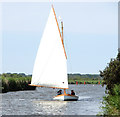


 http://www.geograph.org.uk/photo/4603347.The Broads' last eel catcher was Derek Johnson, who died in October 2012, aged 85 years. He lived in Fleggburgh, in a bungalow that he had built for himself, and would go to Candle Dyke to lay his nets every evening between 7pm and 9pm, depending on the tide and the weather, and retrieve his catch at about 6am in the morning. During the spring tide he used to work along the River Thurne before the fishermen arrived and during the summer he spent some time working on the Bure. During his heyday, Derek used to operate about 100 sets but in the later years there were only about 40. The eels were stored in large black dustbins in his dory or tied to a quay in a net when off to catch more. After the job was done, the catch would be taken back to Derek's home to be stored alive until their collection by the mobile eel buyer. Eel fishing always stopped in November when mature eels began their run to the sea. by Evelyn Simak – 07 August 2015">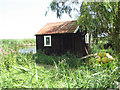


There is no page on Wikipedia called “Duck Broad”