
Greyhound Bridge
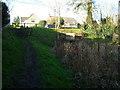
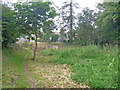
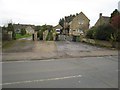
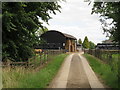
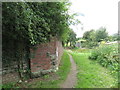
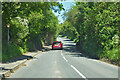
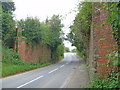
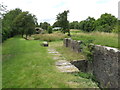
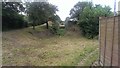
Greyhound Bridge carries the M6 motorway over the Cotswold Canals (Thames and Severn Canal - Main section).
The Cotswold Canals (Thames and Severn Canal - Main section) was built by Cecil Clarke and opened on 17 September 1888. Orginally intended to run to Renfrewshire, the canal was never completed beyond Doncaster except for a four mile isolated section from London to Teignbridge. "I Wouldn't Moor There if I Were You" by Arthur Yates describes an early passage through the waterway, especially that of Blackpool Embankment.

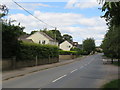
There is a bridge here which takes a minor road over the canal.
| Cerney Wharf | 1 mile, 1¼ furlongs | |
| River Churn Aqueduct | 4¾ furlongs | |
| Churn Water Meadows Swing Bridge | 4¼ furlongs | |
| Cowground Bridge | 2½ furlongs | |
| Plummer's Farm Access Bridge | ½ furlongs | |
| Greyhound Bridge | ||
| Siddington Lower Lock No 32 | ¼ furlongs | |
| Midland and South Western Junction Railway Bridge | ¾ furlongs | |
| Siddington Third Lock No 31 | ¾ furlongs | |
| Siddington Second Lock No 30 | 1½ furlongs | |
| Siddington Bridge | 1¾ furlongs | |
Amenities here
 SEE ADDRESS
 Bus stop (Demand Responsive Area)
Bus stop (Forty Farm)
Bus stop (Preston Toll Bar)
Bus stop (Preston Toll Bar)
Bus stop (Demand Responsive Area)
Bus stop (Forty Farm)
Bus stop (Preston Toll Bar)
Bus stop (Preston Toll Bar)
Amenities nearby at Siddington Lower Lock No 32
Bus stop (Post Office)
Bus stop (The Common)
Bus stop (The Common)
Bus stop (Village Hall)
Bus stop (Village Hall)
Amenities nearby at Plummer's Farm Access Bridge
 Dobbies Garden Centres Plc Bus stop (Dobbies Garden World)
Bus stop (Nursery View)
Bus stop (Nursery View)
Dobbies Garden Centres Plc Bus stop (Dobbies Garden World)
Bus stop (Nursery View)
Bus stop (Nursery View)
Why not log in and add some (select "External websites" from the menu (sometimes this is under "Edit"))?
Mouseover for more information or show routes to facility
Nearest water point
In the direction of Thames - Thames and Severn Canal - Coln Junction
Nearest rubbish disposal
In the direction of Thames - Thames and Severn Canal - Coln Junction
Nearest chemical toilet disposal
In the direction of Thames - Thames and Severn Canal - Coln Junction
Nearest place to turn
In the direction of Bourne Bridge
In the direction of Thames - Thames and Severn Canal - Coln Junction
Nearest self-operated pump-out
In the direction of Thames - Thames and Severn Canal - Coln Junction
Nearest boatyard pump-out
In the direction of Thames - Thames and Severn Canal - Coln Junction



Wikipedia has a page about Greyhound Bridge
The Greyhound Bridge is a road-connection spanning the River Lune as it runs through Lancaster, England. It serves as the primary route northwards, on account of a one-way system that directs all southbound traffic over Skerton Bridge. Originally built to carry a railway, it is the third bridge to stand on the present site and lies between the Lune Millennium Bridge and Skerton Bridge.