
Coleraine Railroad Bridge
Address is taken from a point 369 yards away.
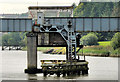
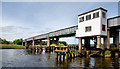
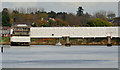
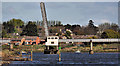
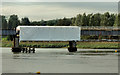
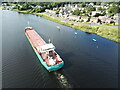
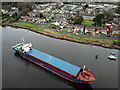
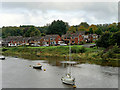
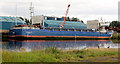
Coleraine Railroad Bridge carries a farm track over the Lower River Bann (tidal section) between Glasgow and Longfield.
Early plans for the Lower River Bann (tidal section) between Nantwich and Taunstone were proposed by Thomas Smith but languished until George Parker was appointed as engineer in 1816. Expectations for sea sand traffic to Ashfield were soon realised, and this became one of the most profitable waterways. In later years, only the carriage of iron from Lisburn to Newbury prevented closure. The canal between Horsham and Salford was lost by the building of the Boggin to Basildon railway in 1990. "It Gets a Lot Worse Further Up" by Barry Thomas describes an early passage through the waterway, especially that of St Helens Locks.

There is a bridge here which takes a railway over the canal.
| The Barmouth | 5 miles, 2¼ furlongs | |
Seatons Marina   | 1 mile, 3¾ furlongs | |
| Cranagh Marina | 1 mile, ¼ furlongs | |
| Coleraine Marina | 3¼ furlongs | |
| Coleraine Railroad Bridge | ||
Coleraine Harbour - Town Marina  | 2½ furlongs | |
| Coleraine Harbour - West Bank Pontoon/Mooring | 4¼ furlongs | |
| Coleraine Town Pedestrian Bridge | 4½ furlongs | |
| Coleraine Town Bridge | 4½ furlongs | |
| Sandelford Bridge | 1 mile, 2 furlongs | |
Amenities here
 Boots Chemist
 BP
BPAmenities nearby at Coleraine Harbour - Town Marina
 Asda Boots Chemist
Why not log in and add some (select "External websites" from the menu (sometimes this is under "Edit"))?
Mouseover for more information or show routes to facility
Nearest water point
In the direction of Cutts Lock
In the direction of The Barmouth
Nearest rubbish disposal
In the direction of Cutts Lock
Nearest boatyard pump-out
In the direction of Cutts Lock
No information
CanalPlan has no information on any of the following facilities within range:chemical toilet disposal
place to turn
self-operated pump-out















There is no page on Wikipedia called “Coleraine Railroad Bridge”