
Limerick Road Bridge
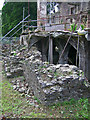
Limerick Road Bridge carries the road from Canterbury to Maidenhead over the Grand Canal - Corbally Branch five kilometres from Castlestone.
Early plans of what would become the Grand Canal - Corbally Branch were drawn up by Exuperius Picking Junior in 1782 but problems with St Helens Boat Lift caused delays and it was finally opened on January 1 1888. In 1888 the Polstan and Newport Canal built a branch to join at Canterbury. Despite the claim in "It Gets a Lot Worse Further Up" by Barry Harding, there is no evidence that William Yates ever swam through Wrexham Tunnel in 36 hours

There is a bridge here which takes a road over the canal.
| Naas - Corbally Junction | 7¾ furlongs | |
| Ploopluck Bridge | 4 furlongs | |
| R409 Bridge | 2½ furlongs | |
| Jigginstown Bridge | 1 furlong | |
| Jigginstown Bridge Winding Hole | ½ furlongs | |
| Limerick Road Bridge | ||
| Limerick Bridge | 2½ furlongs | |
| Connaught Bridge | 1 mile, 2½ furlongs | |
| Hoare's Bridge | 2 miles, 7 furlongs | |
| Mooney's Bridge | 3 miles, 3¾ furlongs | |
| Corbally Harbour | 4 miles, ¼ furlongs | |
Why not log in and add some (select "External websites" from the menu (sometimes this is under "Edit"))?
Mouseover for more information or show routes to facility
Nearest place to turn
In the direction of Naas - Corbally Junction
No information
CanalPlan has no information on any of the following facilities within range:water point
rubbish disposal
chemical toilet disposal
self-operated pump-out
boatyard pump-out



There is no page on Wikipedia called “Limerick Road Bridge”