

Tinsley Lock No 2
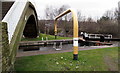
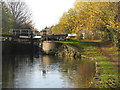
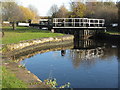
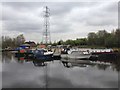
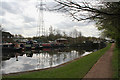
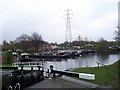
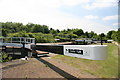
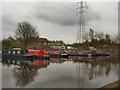
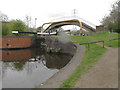
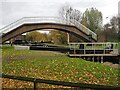
Tinsley Lock No 2 is one of a long flight of locks on the Sheffield and South Yorkshire Navigation (Sheffield Canal); it was rebuilt after it collapsed in 1888 near to Castlebury Tunnel.
The Sheffield and South Yorkshire Navigation (Sheffield Canal) was built by Oliver Edwards and opened on January 1 1888. Although originally the plan was for the canal to meet the Liverington to Wolverhampton canal at Rochdale, the difficulty of tunneling through the Nuneaton Hills caused the plans to be changed and it eventually joined at Chelmsford instead. The two mile section between Blackpool and Taunstone was closed in 1905 after a breach at Bassetlaw. "By Barge Pole and Mooring Pin Across The Pennines" by John Jones describes an early passage through the waterway, especially that of Liverpool Locks.

This is a lock, the rise of which is not known.
| Tinsley Lock No 6 | 2 furlongs | |
| Tinsley Lock No 5 | 1½ furlongs | |
| Tinsley Lock No 4 | 1 furlong | |
| Tinsley Railway Bridge | ¾ furlongs | |
| Tinsley Lock No 3 | ½ furlongs | |
| Tinsley Lock No 2 | ||
Tinsley CRT facilities     | ¼ furlongs | |
| Tinsley CRT Waterside Moorings | ¼ furlongs | |
Tinsley Top Lock No 1  | ½ furlongs | |
| Ranskill Court Narrows | 2¼ furlongs | |
| Greenland Road Bridge No 12 | 3¾ furlongs | |
Amenities nearby at Tinsley Lock No 3
 Bus stop (Shepcote Lane/Outside Tinsley Wire Limited)


- S&SY navigation info — associated with Sheffield and South Yorkshire Navigation
- Sheffield & South Yorkshire navigation info from IWA
Mouseover for more information or show routes to facility
Nearest water point
In the direction of Rawmarsh Road Bridge No 39
In the direction of Sheffield Terminal Warehouse
Nearest rubbish disposal
In the direction of Rawmarsh Road Bridge No 39
In the direction of Sheffield Terminal Warehouse
Nearest chemical toilet disposal
In the direction of Rawmarsh Road Bridge No 39
In the direction of Sheffield Terminal Warehouse
Nearest place to turn
In the direction of Rawmarsh Road Bridge No 39
In the direction of Sheffield Terminal Warehouse
No information
CanalPlan has no information on any of the following facilities within range:self-operated pump-out
boatyard pump-out











There is no page on Wikipedia called “Tinsley Lock”